


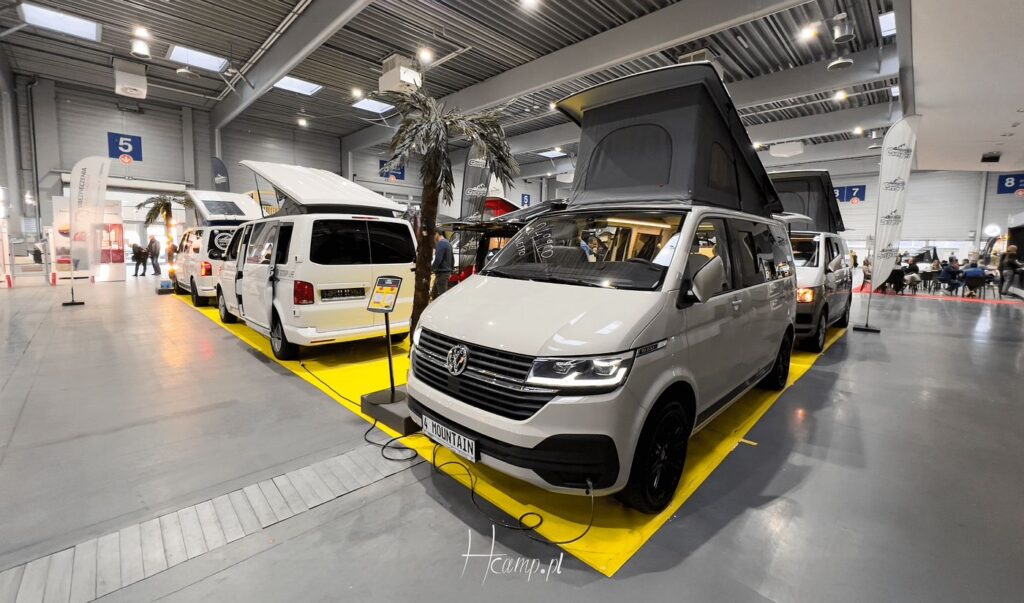
Caravans Salon Poznań
Rooftop Tents
for Sleeping
Rooftop Tents as a Van Conversion Alternative
In the world of caravaning and vanlife, there is growing interest in optimizing vehicle space. One of the more interesting solutions gaining popularity is the use of rooftop tents as an alternative to extensive interior conversions. Choosing this solution can be a perfect fit for people who want to maintain simplicity, save interior vehicle space, and simultaneously maximize the benefits of every trip. In this article, we will discuss the advantages, disadvantages, different types of rooftop tents, and practical applications that make them a great alternative to classic van conversions.


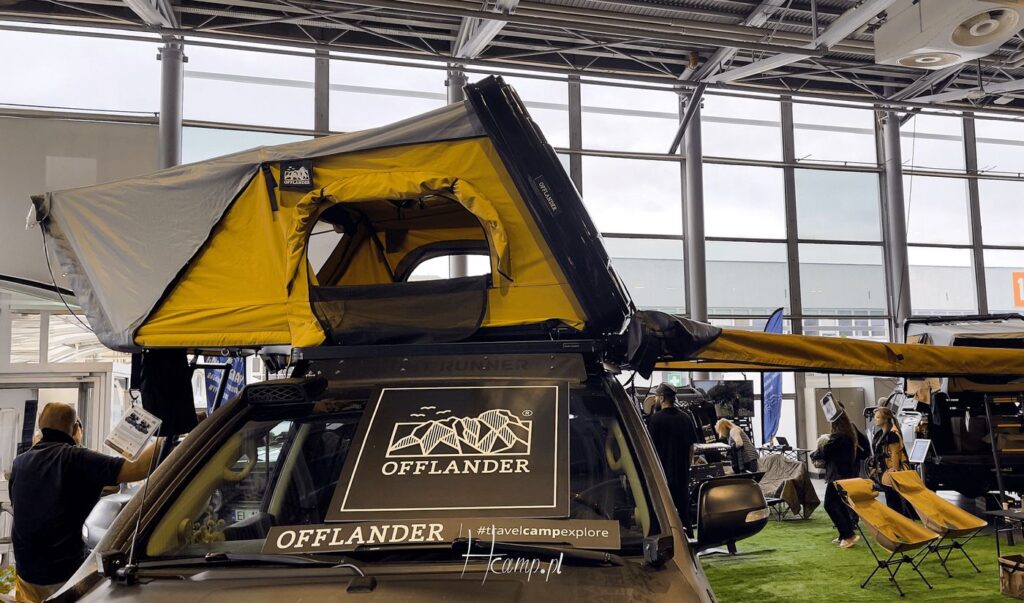
Why Should You Consider Rooftop Tents?
Rooftop tents are not just a way to transport extra luggage. In the world of vanlife, they are becoming a tool for expanding a vehicle's functionality, especially for small vans that often have limited usable space inside.
More Interior Vehicle Space
In vans, where every square inch of space counts, a rooftop tent allows for more efficient interior management. By moving less-used items to the roof, you gain more space for daily necessities and more comfortable living while traveling. You can store seasonal items on the roof rack, such as extra blankets, camping equipment, or rarely used tools. This provides greater flexibility in interior arrangement—for example, you can install a larger bed, a comfortable kitchen, or a more spacious cabinet. Additionally, by removing clutter from the interior, you gain more space for relaxation, which is crucial during longer trips.Savings on Interior Conversion
A comprehensive van interior conversion often entails an expenditure of several thousand, or even tens of thousands, of Polish Zlotys (PLN) [Note: For American English context, this translates to several thousand US dollars]. This requires purchasing specialized materials, adapting them to the vehicle's dimensions, and investing in installation. A rooftop tent, especially when combined with accessories like roof boxes or equipment mounts, can be a significantly cheaper alternative. For example, a rooftop tent eliminates the need to install a bed inside, and a roof box replaces expensive built-in cabinetry. This allows you to focus on a minimalist interior finish while having a functional and affordable storage system on the roof.Versatility
One of the biggest advantages of rooftop tents is their versatility. You can tailor them to your individual needs by choosing from a wide range of accessories. For sports enthusiasts, the rack can become the ideal place for a kayak, bicycle, or surfboards. Families traveling with children can store larger luggage there, leaving space inside the van for playing or relaxing. For caravaning fans, rooftop tents can serve as a spot for solar panels, which provide an independent energy source. Additionally, a rooftop tent turns the rack into a mobile bedroom, perfect for shorter trips or travel in areas where wild camping is popular. This flexibility makes rooftop tents a solution for both weekend travelers and those who live in a van full-time.Ease of Assembly and Disassembly
Van interior conversions are permanent and usually cannot be removed without extensive dismantling. Rooftop tents are a completely different story—their assembly takes little time, and thanks to intuitive systems, most models can be mounted or removed by yourself. This is a huge advantage for people who don't need the roof rack every day, but only while traveling. For example, after a trip, you can easily remove the roof box and store it in the garage, saving fuel during daily driving. Furthermore, many roof rack models are designed to allow quick adaptation to various vehicles—you only need to change the mounting system. Such ease of use makes rooftop tents exceptionally practical and convenient to utilize.
Application of Rooftop Tents in Vanlife
Rooftop tents can fulfill various functions depending on the type of travel and lifestyle. Here are several practical applications that make them a great addition to any van:
1. Storage for Sports Equipment
If you are a fan of sports such as surfing, kayaking, or skiing, a rooftop tent allows for easy transportation of equipment. Rails with mounts for boards or kayaks are a must-have for active travelers.
2. Mobile Bedroom
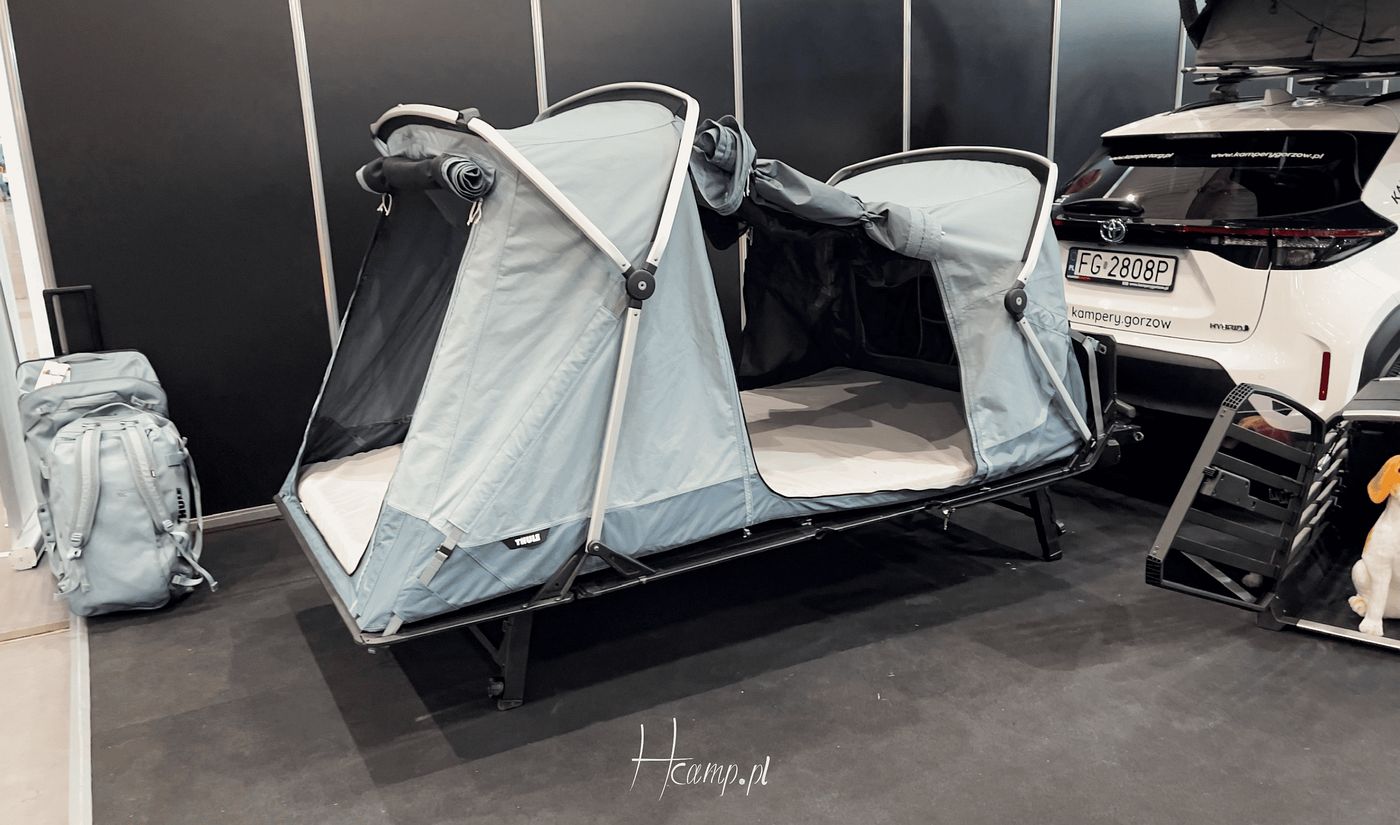
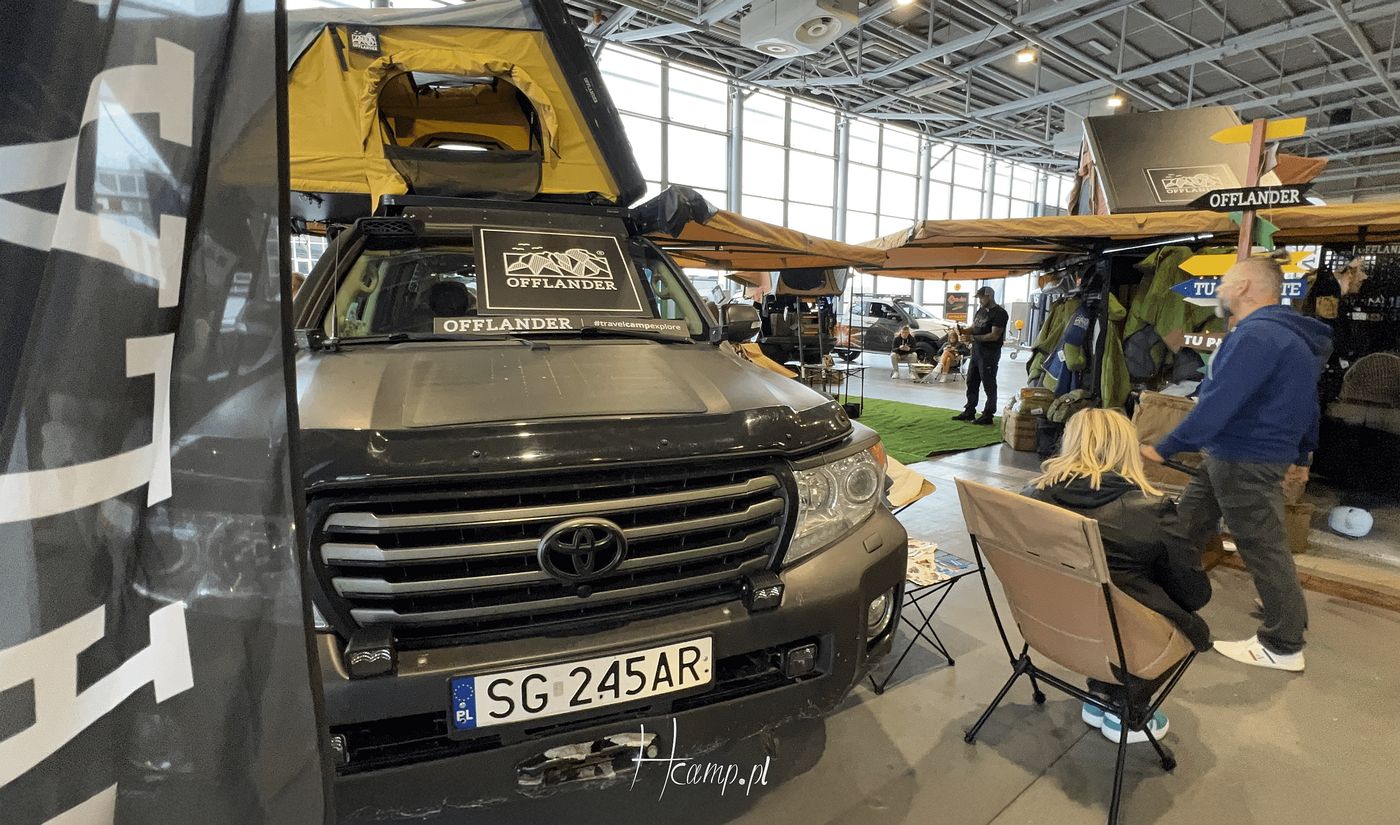
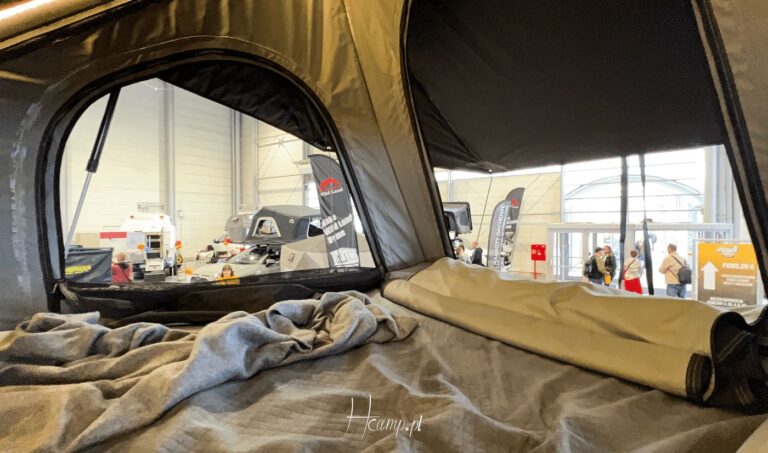
Rooftop tents are gaining increasing popularity among caravaning fans. They are easy to set up, provide comfort, and allow you to sleep anywhere while keeping the van's interior free for other needs.
3. Transporting Additional Luggage
During long trips, it often turns out that space in the van quickly runs out. Rooftop tents are the perfect place to store items that don't need to be easily accessible, such as extra clothing, camping gear, or supplies.
4. Transporting DIY Materials
If you are converting your van into a camper, the rooftop tent can be a place to transport construction materials or tools, saving space inside the vehicle.
5. Power Source
Some rooftop tents are adapted for mounting solar panels, which makes them a great solution for people who want to be more independent while traveling.
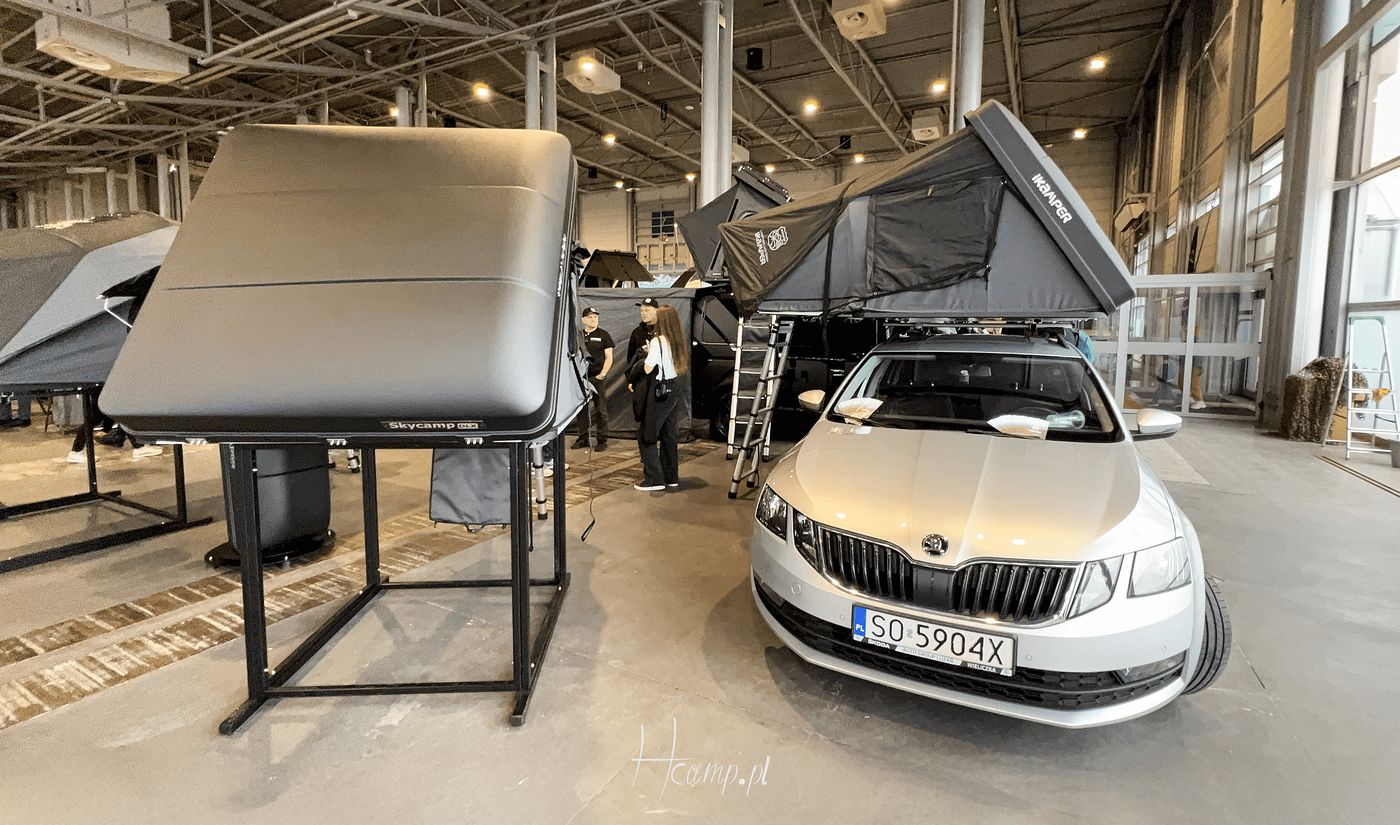
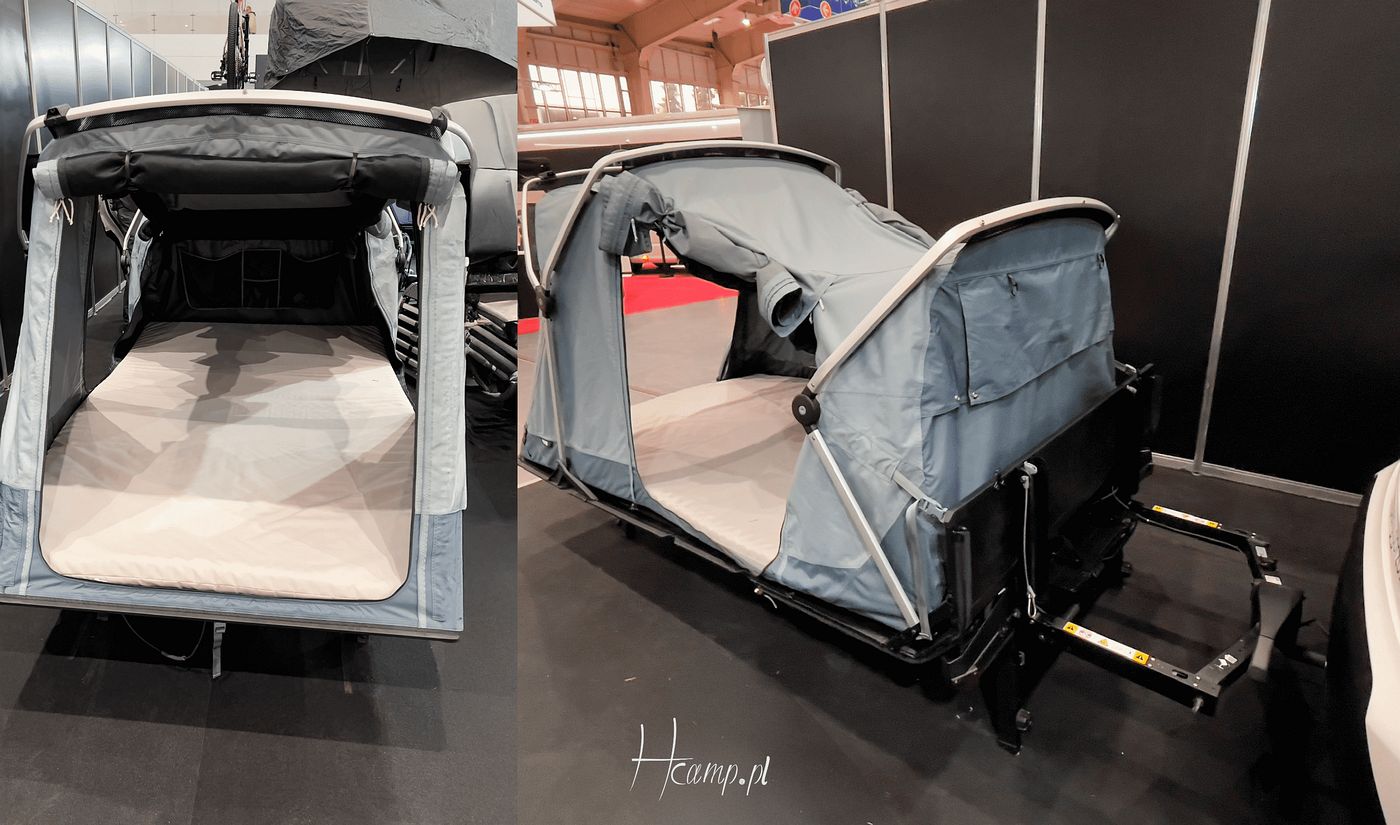
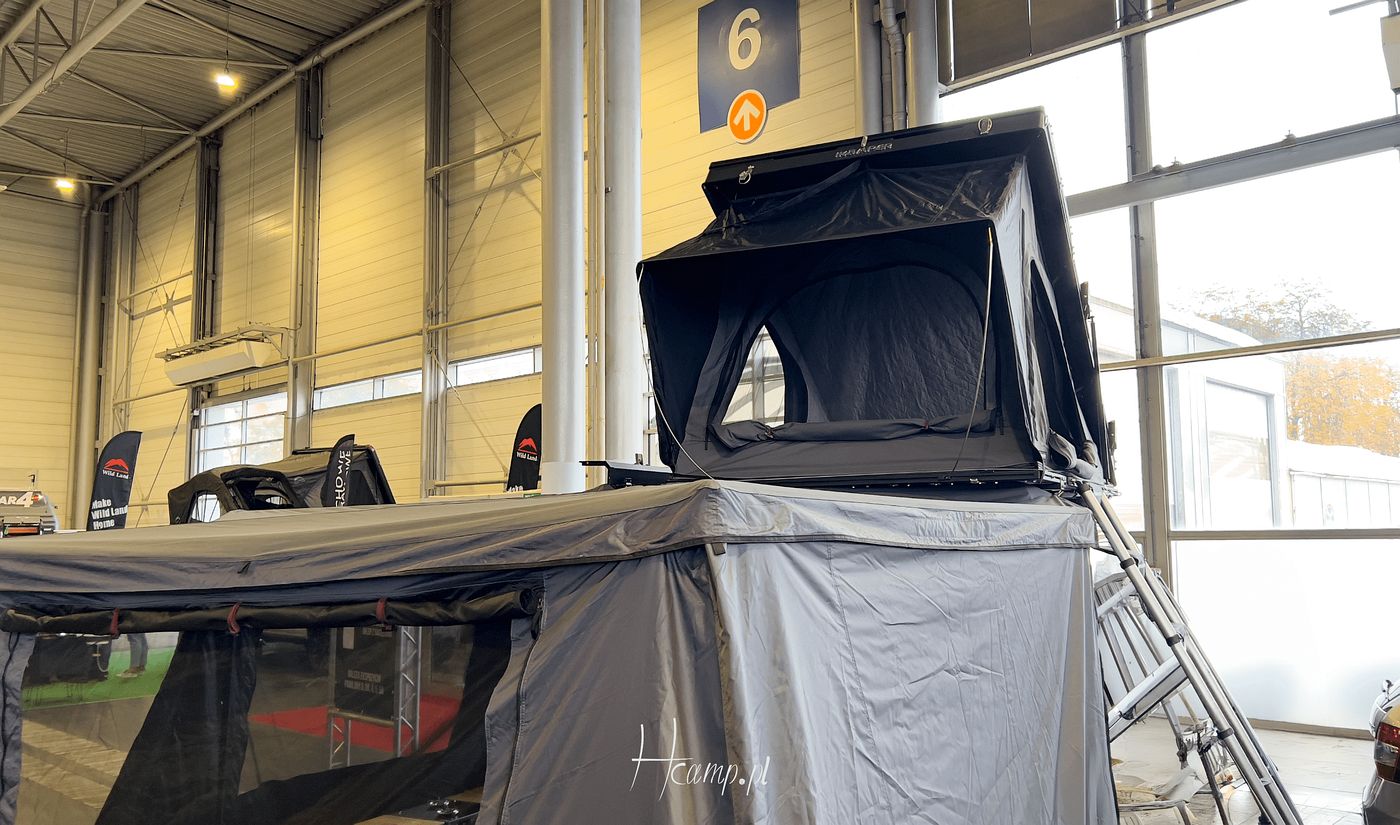
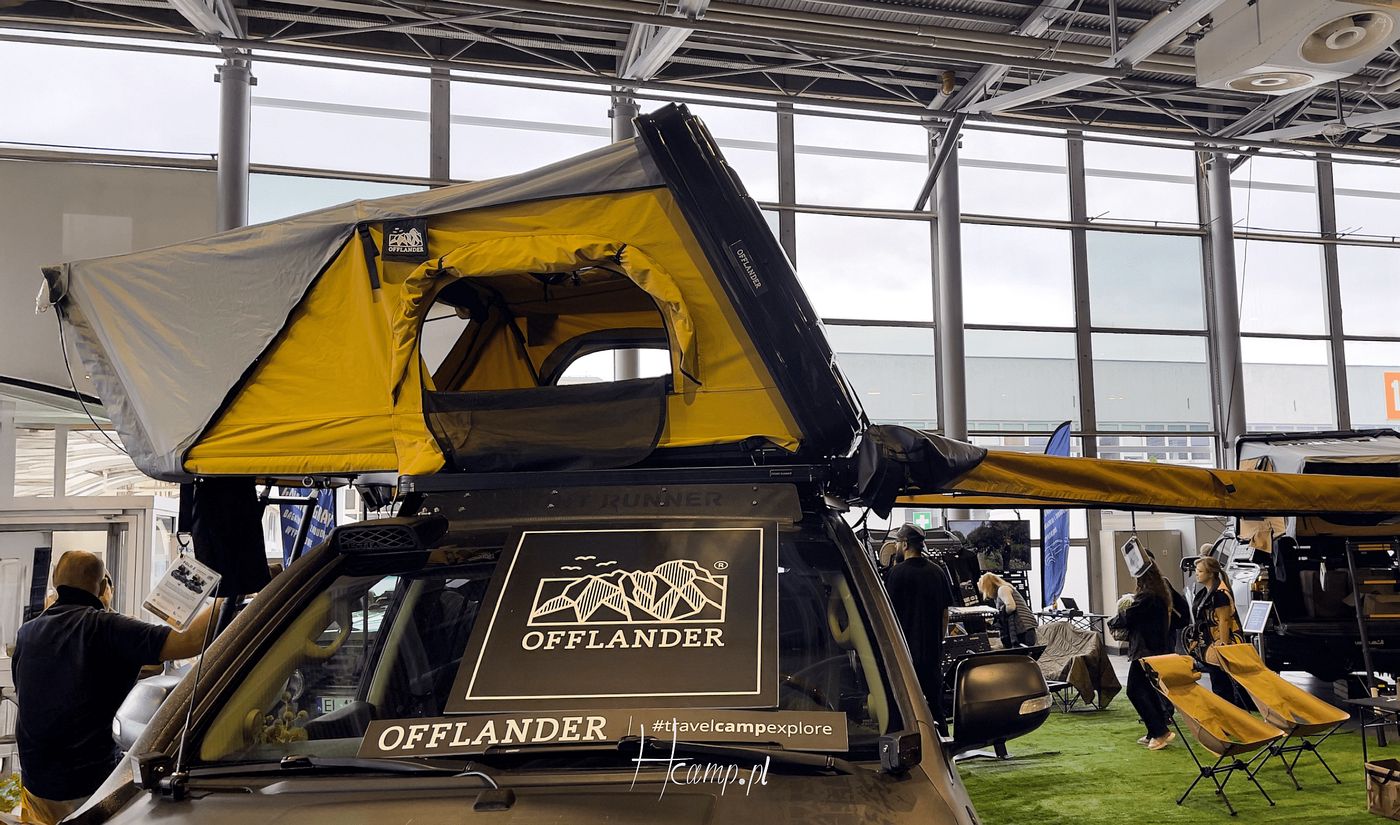
Disadvantages of Rooftop Tents
Despite the numerous advantages, rooftop tents also have their downsides that are worth considering:
Impact on Aerodynamics
Rooftop tents can increase air resistance, which translates into higher fuel consumption. It is worth investing in models with a streamlined shape.⚖️ Weight Limitations
Every rooftop tent has its weight limitations that must be respected to avoid damage to the vehicle or the rack itself.Accessibility
Placing the rack on the roof means that access to it can be difficult, especially for larger vehicles. Foldable ladders might prove useful.Additional Costs
While rooftop tents are cheaper than a full interior conversion, they can still be expensive, especially in the case of more advanced models with additional accessories.


How to Choose the Right Rooftop Tent?
When choosing a rooftop tent, it is worth considering several key factors:
- Vehicle Type and SizeEnsure that the roof rack is compatible with your van model.
- Intended UseDetermine what you will use it for—transporting equipment, storing luggage, or mounting a rooftop tent.
- MaterialChoose solid materials that are resistant to weather conditions and ensure a long service life.
- Ease of InstallationIf you plan to frequently remove the rack, opt for models with an intuitive mounting system.
Purchasing a rooftop tent is an investment that can significantly increase your van's functionality and travel comfort. However, choosing the right model is not always simple—many solutions are available on the market, differing in design, purpose, and price. To avoid a poor purchase, it's worth thoroughly analyzing your needs and the technical capabilities of your vehicle. A key element of the decision-making process is a conversation with a consultant who can help select the best solution. Below is a list of questions worth asking a seller or manufacturer of rooftop tents to ensure that the chosen model meets all your expectations.
1. Vehicle Compatibility
Is this rack model compatible with my van model?
Do I need additional adapters or rails to mount this rack?
What are the maximum dimensions and weight of the load I can place on this rack in relation to my vehicle?
2. Load Capacity and Durability
What is the maximum load capacity of this rooftop rack?
Is the rack resistant to heavy use, e.g., transporting heavy equipment?
What material is the rack made of (aluminum, steel, plastic)?
3. Functionality and Intended Use
Is the rack suitable for mounting a rooftop tent?
Can additional accessories be mounted to it, such as holders for bicycles, surfboards, or solar panels?
Is this model suitable for year-round use, e e.g., in extreme weather conditions?
4. Assembly and Disassembly
Does mounting the rack require specialized tools?
How long does assembly and disassembly take?
Can it be mounted independently, or is professional assistance needed?
5. Aerodynamics and Driving Impact
Does this rack significantly affect fuel consumption?
How was it designed in terms of aerodynamics?
Does the rack generate noise when driving at higher speeds?
6. Safety
Czy bagażnik posiada systemy zabezpieczające przed przypadkowym przesunięciem lub odczepieniem się ładunku?
Is it possible to secure the rack against theft?
Has the rack been safety tested under various conditions?
7. Dimensions and Storage
What are the dimensions of the rack? Does it fit on my roof with clearance?
Can the rack be easily stored when not in use?
Is there an option to fold the rack for easier storage?
8. Warranty Conditions
How long is the warranty for this model?
Does the warranty cover damage caused by intensive outdoor use?
What are the conditions for service and repair under the warranty?
9. Additional Costs
Does the rack require the purchase of additional accessories, e.g., fasteners or covers?
Does the price include professional installation?
Are additional accessories available that can be purchased in the future?
10. Reviews and Recommendations
Is this rack model popular among vanlife users?
What are the most common customer reviews of this model?
Can the consultant recommend other models in a similar price range?
Summary
A well-chosen rooftop tent should meet your travel needs, be compatible with your vehicle, and satisfy criteria regarding safety and durability. By asking the above questions, you will be able to select a product that not only makes your life easier on the road but also increases the functionality of your van, without concerns about durability or quality of use.

poznań
We invite you to our YouTube channel for a video report from the fair
MOST FREQUENTLY ASKED QUESTIONS
Not every car is suitable for mounting a rooftop tent, but the vast majority of models available on the Polish market do not have this problem. The existence of factory mounting points for crossbars and adequate roof structure strength are key. SUVs, station wagons, vans, off-road vehicles, and most larger passenger cars work best. Very small city cars, models with a panoramic roof made of thin glass without supports, and some electric versions with a weakened roof structure are problematic. The most important thing is that the car's documentation specifies the permissible roof load capacity, which allows for choosing the appropriate type of crossbars and the correct rooftop tent model.
The roof load capacity is divided into two values that work in parallel. The first is the dynamic load capacity, which is the maximum load while driving. This number is always lower and usually ranges from fifty to one hundred kilograms, as it is intended to protect the car's structure during braking and sudden maneuvers. The second value is the static load capacity, which is the roof's strength when stationary. This value is significantly higher, most often reaching two hundred to three hundred kilograms, and in large SUVs, even four hundred. This is the value we take into account when two or three people are going to sleep in the tent. To correctly calculate whether a given tent will be suitable, you need to sum the weight of the tent, the crossbars, and the predicted user load and compare it with the static load capacity. However, while driving, only the weight of the tent and the crossbars matters, as this must fit within the dynamic load capacity.
Sleeping in a rooftop tent is safe even in heavy rain and moderately strong winds, provided that a good quality model is used and the entire structure is properly set up. Rooftop tents are designed to withstand high-intensity rain and wind gusts of about sixty kilometers per hour. In practice, this means that during most trips in Europe, there is no need to worry about the weather deteriorating. In more demanding conditions, such as gales, it is most sensible to position the car sideways or with its rear facing the direction of the wind, which naturally reduces the force hitting the tent. The tent structure itself is waterproof, and the flysheet and impregnation effectively protect against leaks. In extreme situations, such as hurricane-force gusts, it is safer to move inside the car, although this scenario is very rare in normal use.
Self-assembly of a rooftop tent is possible, especially if one has experience mounting roof racks and knows how to work with tools, but for a beginner, it can be a stressful task. The installation primarily involves properly selecting the roof crossbars, precisely setting the brackets, and maintaining the correct spacing between them so that the entire structure is stable and evenly loaded. Properly tightening the screws with the correct torque is also crucial, which many people are unaware of. Overtightened screws can damage the brackets, while undertightened ones can lead to the dangerous shifting of the tent while driving. After assembly, a short test drive is also recommended, followed by rechecking all fastenings after about fifty kilometers. In practice, the safest solution is installation at a professional service center, especially when the tent is expensive and the car is of high value.
A rooftop tent impacts fuel consumption, but the scale of this change primarily depends on the aerodynamics of the specific model and the driver's driving style. Foldable models, known as soft-shell tents, create more air resistance, which usually increases fuel consumption by about one to one and a half liters per one hundred kilometers. Hard-shell aerodynamic tents are more streamlined, so the difference in fuel consumption is smaller and usually falls within the range of half a liter to one liter per one hundred kilometers. The biggest impact on increased fuel consumption is felt at highway speeds above one hundred and twenty kilometers per hour and when driving into strong crosswinds. At touring speeds, particularly in the range of ninety to one hundred kilometers per hour, the difference is small and almost unnoticeable to many drivers.
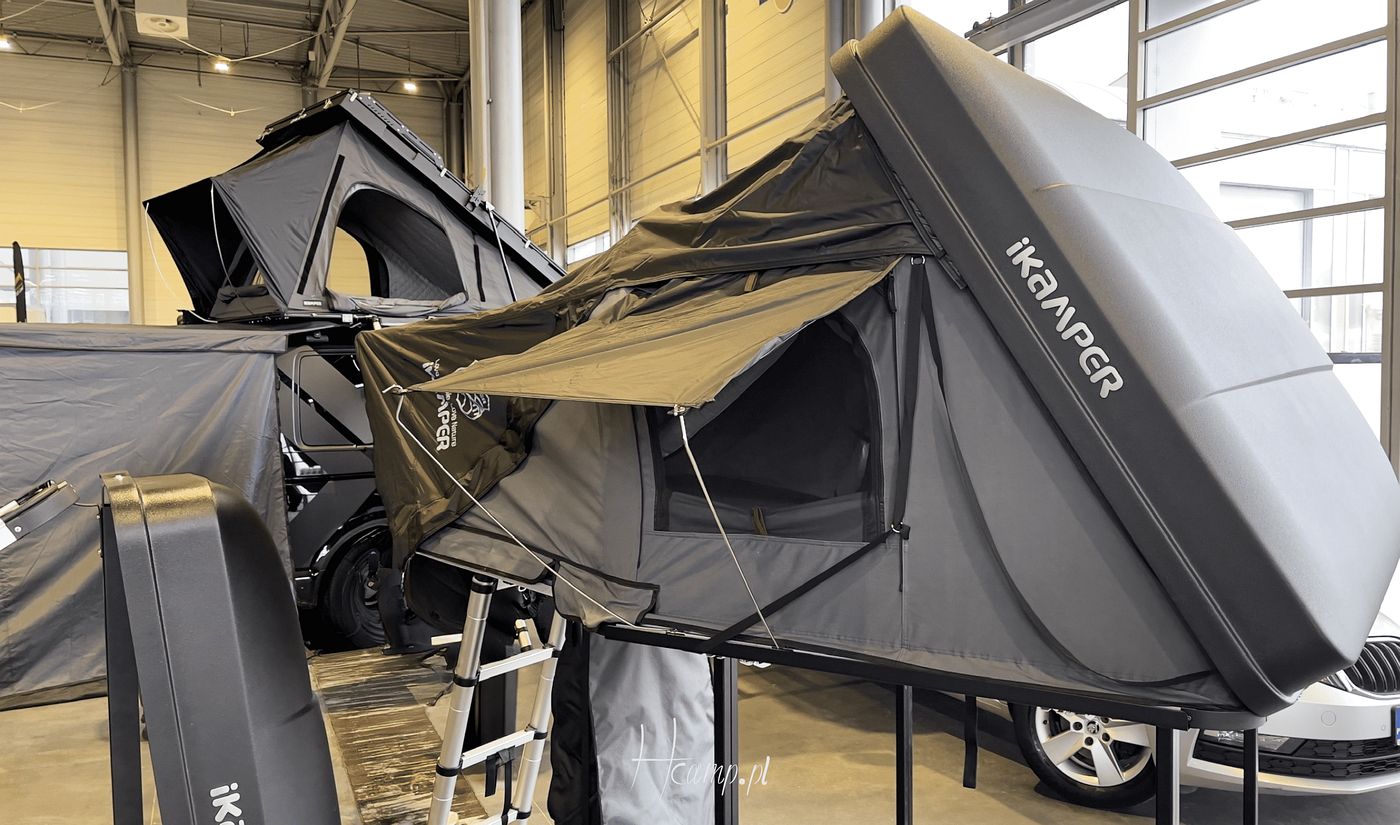
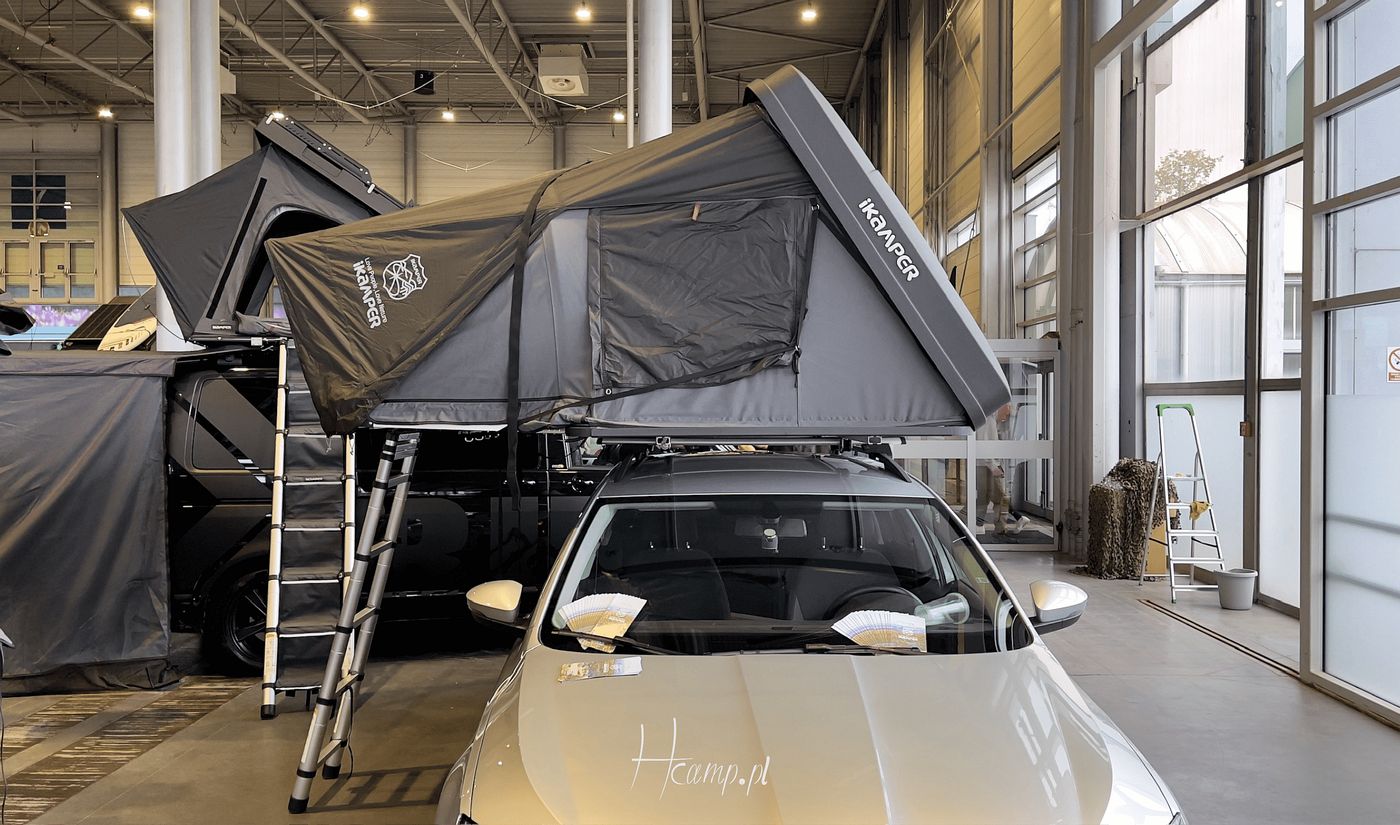
The choice between a hard-shell and a soft-shell tent primarily depends on the travel style and expected comfort. Hard-shell tents are the best solution for people who plan long trips across Europe, frequent travel, and overnight stays in variable weather conditions. They set up instantly, are very resistant to wind and rain, and their aerodynamic shape results in a smaller impact on fuel consumption. Soft-shell tents, on the other hand, are a great choice for people just starting their adventure with rooftop tents, looking for a budget solution, or needing a large amount of space when unfolded. They are lighter and easier to remove from the car, but they take longer to set up and are more sensitive to strong wind. Both types will work well for travel within Poland, but in mountainous or coastal areas where the weather is more demanding, it is better to choose a hard-shell model.

Popular Searches: roof rack for sleeping, rooftop tent for car, roof top tent reviews, best rooftop tents 2025, rooftop tent for 2 people, rooftop tent SUV, rooftop tent 4x4, how to choose a rooftop tent, rooftop tent for camper van, rooftop tent for station wagon, rooftop tent installation, how much does a rooftop tent cost, rooftop tent test and reviews, overlanding Poland rooftop tents, sleeping on the car roof